



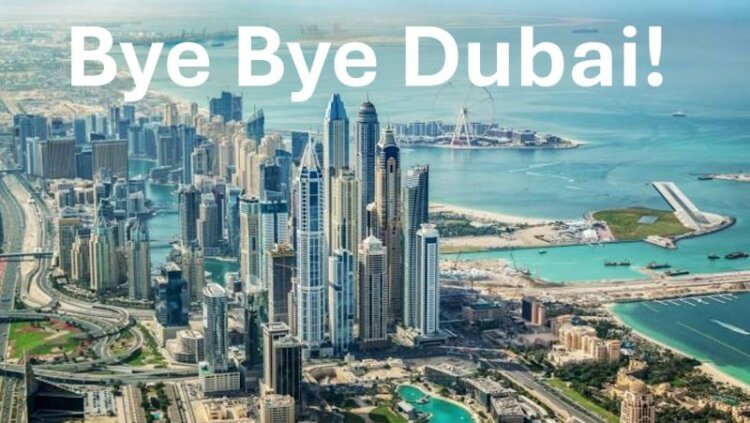
For decades, Dubai has presented itself as a remarkable exception in a region frequently associated with instability. Rising from the desert with glittering skyscrapers, luxury hotels and sprawling malls, the city cultivated a global reputation as a haven of safety, prosperity and opportunity. Investors, expatriates and tourists flocked to Dubai believing that it existed in a sphere somehow detached from the turbulence of the Middle East. Yet recent developments in regional conflict have exposed the fragility of this perception and challenged the narrative that wealth and modernity can insulate a city from geopolitical realities.
The image of Dubai has long rested on the idea that it stands above the political rivalries and conflicts that define much of the region. For years, the city’s leaders invested immense effort in projecting an atmosphere of stability and glamour. The promise was simple but powerful: a tax-friendly environment, a luxurious lifestyle and a secure space where business could flourish without the anxieties that haunt many other parts of the Middle East. This carefully crafted reputation attracted not only international capital but also millions of expatriates seeking economic opportunity.
However, the unfolding regional tensions have begun to erode this carefully constructed image. Security alerts, missile threats and disruptions to daily life have shaken the sense of certainty that once defined Dubai’s appeal. Even if many threats were intercepted or limited in their impact, the psychological effect has been profound. For a city that marketed itself as a sanctuary from regional turmoil, the mere possibility of vulnerability carries significant consequences.
The reaction of expatriate communities and global observers illustrates how fragile reputations can be. Social media quickly filled with anxious posts and speculation, revealing the fears of those who once believed they had found a safe refuge from political instability. In an interconnected world where perceptions travel faster than facts, the narrative of absolute security can unravel within hours.
Yet this moment of uncertainty also exposes deeper contradictions within Dubai’s development model. Beneath the glamorous skyline lies a workforce largely composed of migrant labourers who sustain the city’s growth but rarely share equally in its prosperity. These workers, many of whom come from South Asia and other developing regions, remain in the city regardless of political or economic shocks. Their presence highlights the complex social realities that often remain hidden behind the glossy imagery of global marketing campaigns.
Dubai’s economic success has always depended on confidence — the confidence of investors, tourists and expatriates who believe in the city’s stability and promise. When that confidence wavers, even briefly, it reveals how closely prosperity is tied to perception. The idea that Dubai could remain permanently insulated from regional dynamics now appears less convincing.
None of this suggests that Dubai’s achievements should be dismissed. The city remains one of the most remarkable examples of rapid urban transformation in modern history. Its infrastructure, connectivity and entrepreneurial spirit have made it a global hub linking Asia, Europe and Africa. But recent events remind us that no city, however advanced or wealthy, exists in complete isolation from the political realities of its surroundings.
Ultimately, the lesson extends beyond Dubai itself. In an era defined by global interdependence, prosperity cannot create an invisible shield against geopolitical forces. Stability is not merely an economic achievement; it is also a political and regional condition. As tensions continue to reshape the Middle East, even the most dazzling urban success stories must confront the limits of their carefully crafted illusions.